By Michael Wu
My journey with Origami
WHo Am I?

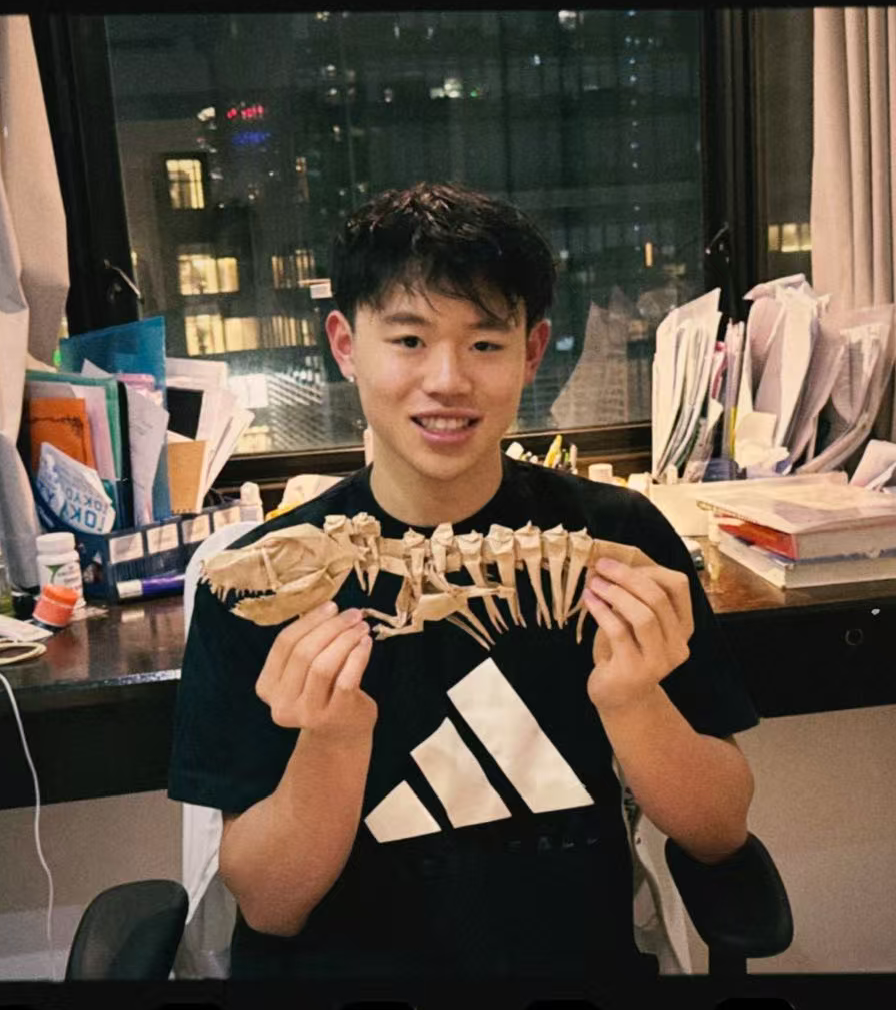
Hello!My name is Michael, and I’m currently a high school senior. I grew up in Canada, and now I attend an international school in Shanghai. I have a diverse array of hobbies, including basketball, martial arts, tennis, engineering, and even sneaker reselling. Nevertheless, origami will forever hold a special place in my heart. Over the past six consecutive years of learning and exploring this art form, origami has shaped who I am today profoundly. This website is dedicated to the growth and meaning I’ve found through origami, and to my enthusiastic younger self who would spend hours after school mesmerized by a single piece of paper.
Dec 2020
My journey
The Start
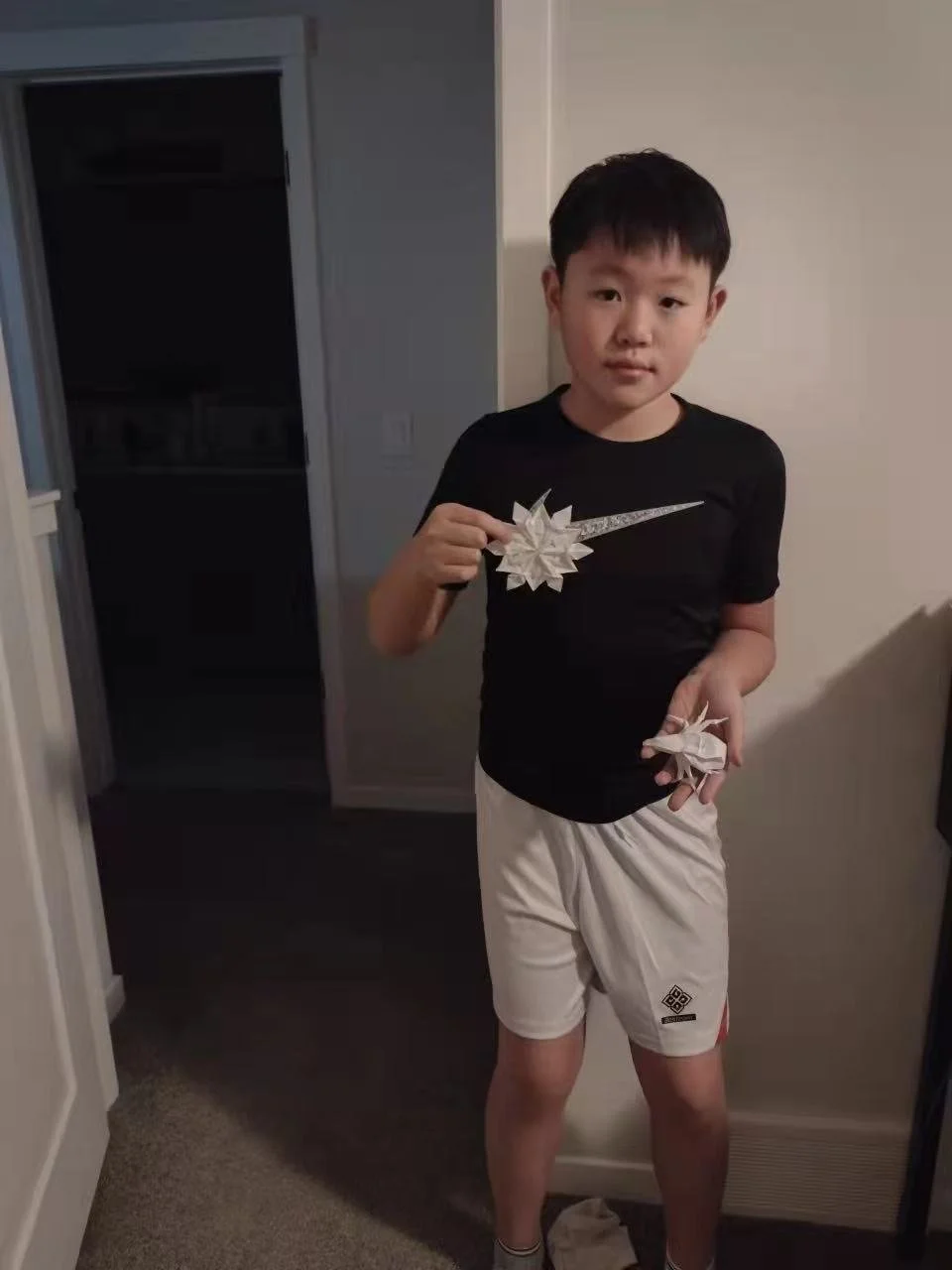
I made my first origami project, a paper crane, because one of my friends introduced the procedures to me. I became intrigued. How could a simple flap of square paper get transformed into something of such complexity and intricacy? I was obsessed.
The Journey
After I’d spent more time getting familiar with origami, I started designing my own projects. In addition, I attempted more and more advanced projects, including spending over forty hours on an origami dragon and over one hundred hours on an origami T-rex skeleton
my Canvas
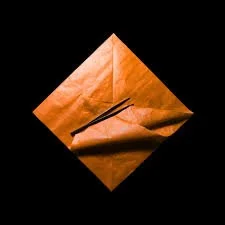
Double Tissue
Two layers of tissue paper glued together; thin yet strong, allowing precision and color control.
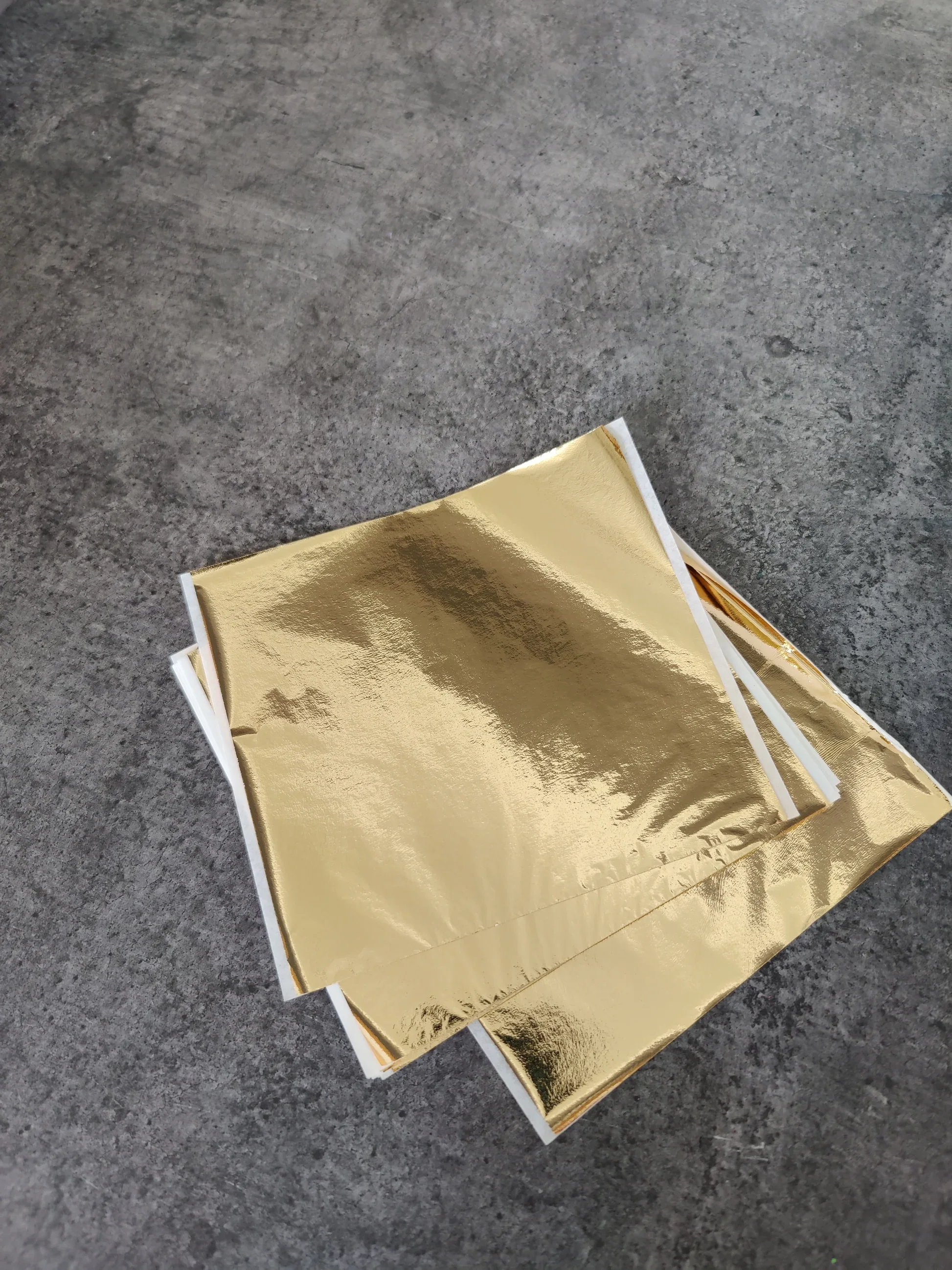
Metallic Paper
Reflective surfaces that enhance dramatic, sharp-creased, sculpted, or abstract designs.
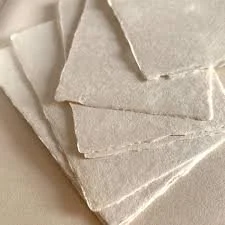
Washi Paper
Japanese Handmade Paper, Fibrous, lightweight, and strong; ideal for complex models
May 9th, 2021
How origami Shaped my Identity
Origami has shaped my life in ways far beyond the folds of paper. What began as a simple childhood curiosity gradually grew into a long-term commitment that guided me through patience and discipline. Every model demanded focus and persistence; mistakes could not be erased. Through hours spent folding, I learned to slow down in a fast-moving world. I learned to spend time alone with myself, finding satisfaction not in instant results but in steady progress.
In many ways, it grounded me when I felt overwhelmed. But no matter how many years have passed, I remain in awe of the complexities and intricacies that we can create for a square piece of paper and nothing else. It reshaped how I approached challenges and taught me precision and perseverance, lessons that continued to develop with me outside of origami. Due to the profound impacts and benefits that origami has brought to me, I feel strongly compelled to advocate and share this art form with my friends, loved ones, and the world around me. The past couple of years, I’ve attempted to move beyond the fundamentals, establishing agencies and interdisciplinary institutions that leverages origami to leave an impact in our world.
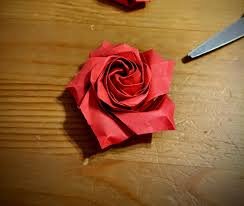
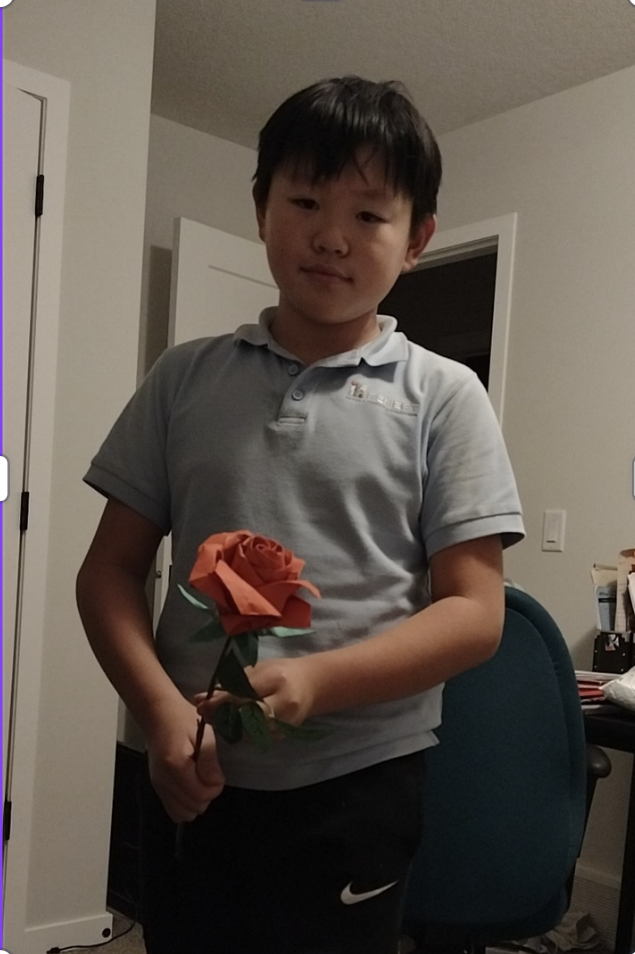
Pentagon Rose
Paper Dimensions 40 × 40 cm
Sample Works
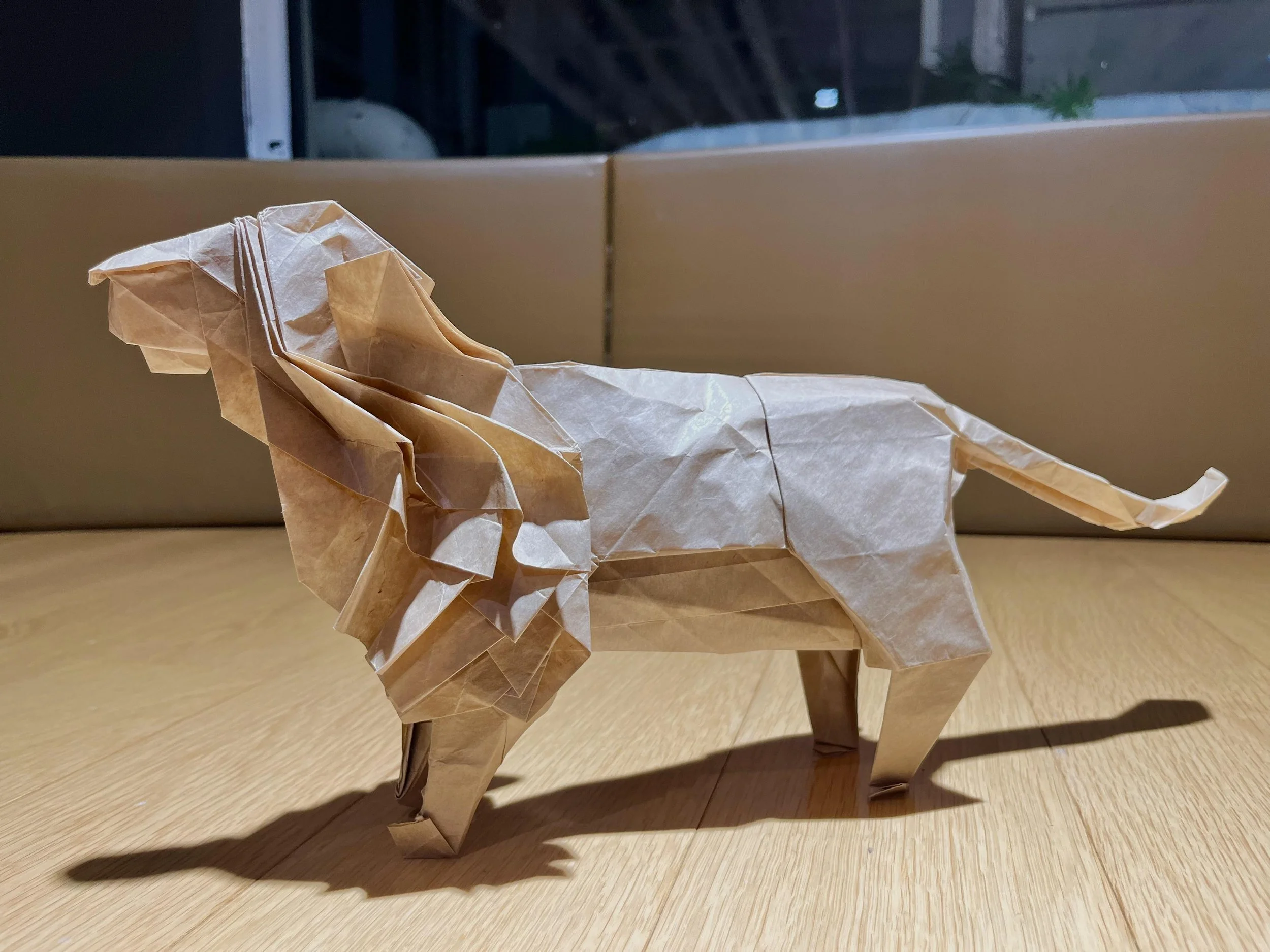
Lion
Paper Dimensions 45 × 45 cm
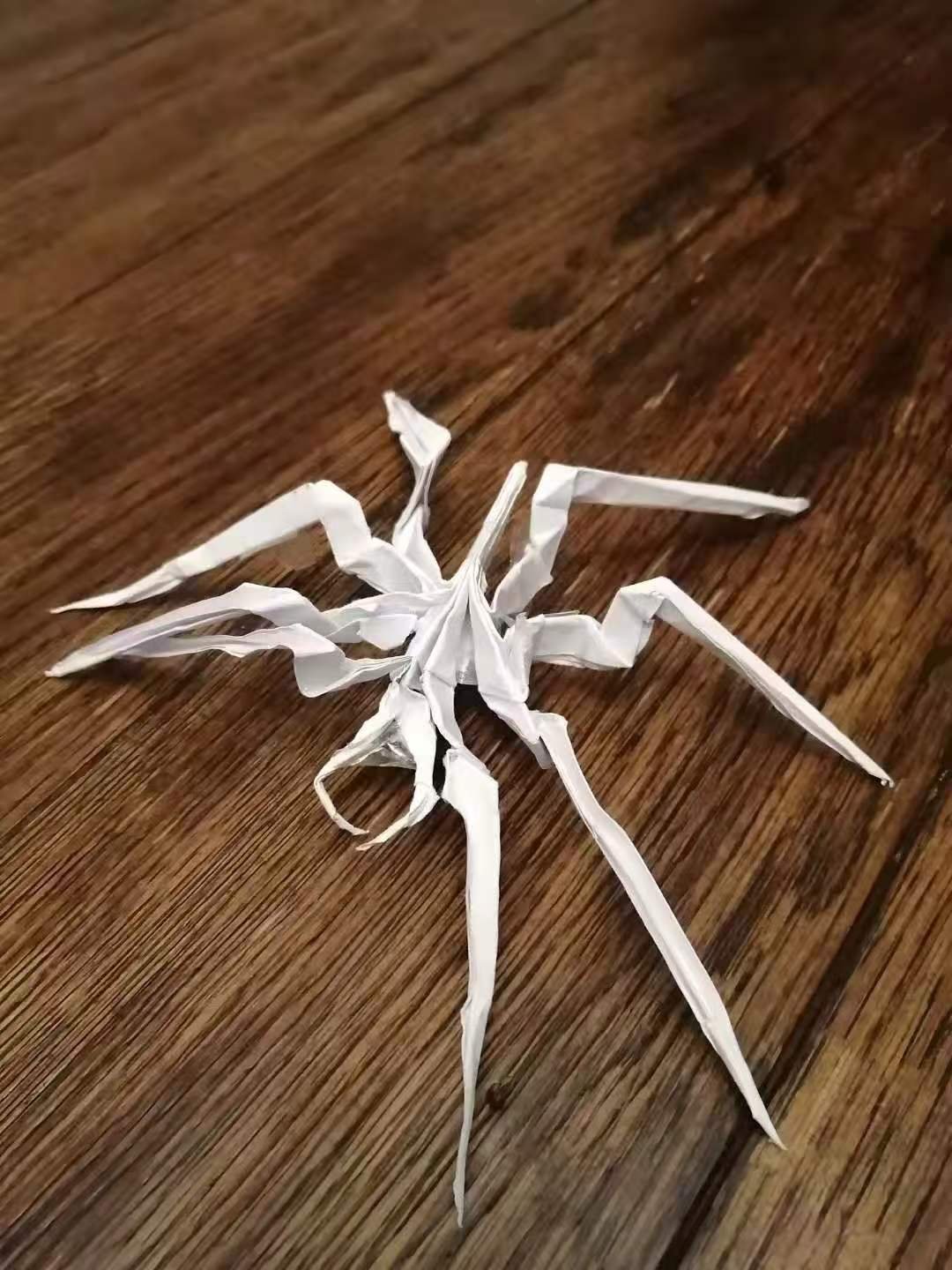
Spider
Paper Dimensions 30 × 30 cm
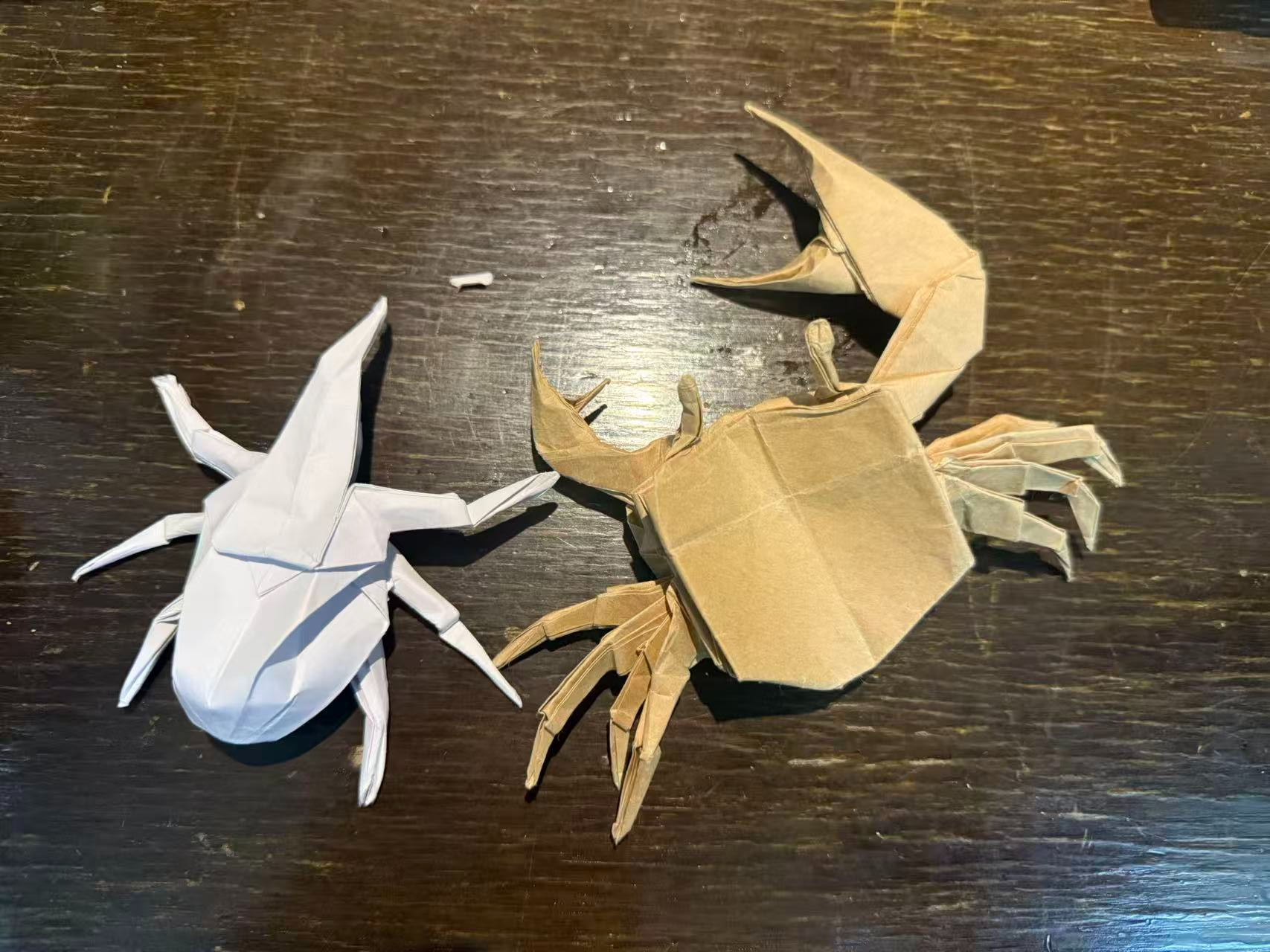
Arthropods
Crab: 50 × 50cm; Beetle: 40 × 40cm
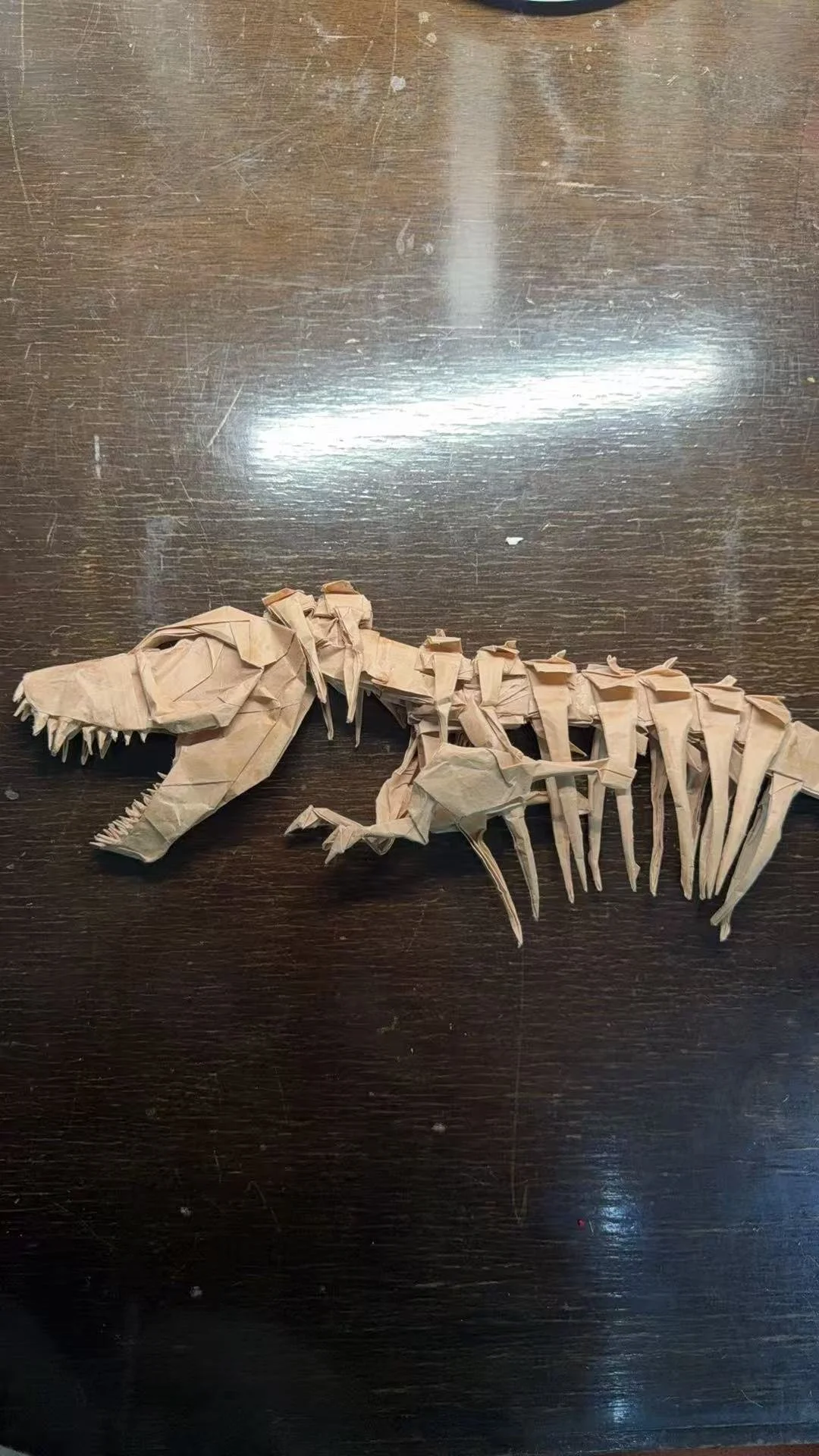
T-Rex Skeleton
Paper Dimensions:
20 × 25cm×25cm, 3× 38cm×38cm, 10×19cm×19cm, 1×50cm×50cm, 6×10cm*10cm, 40×5cm*5cm
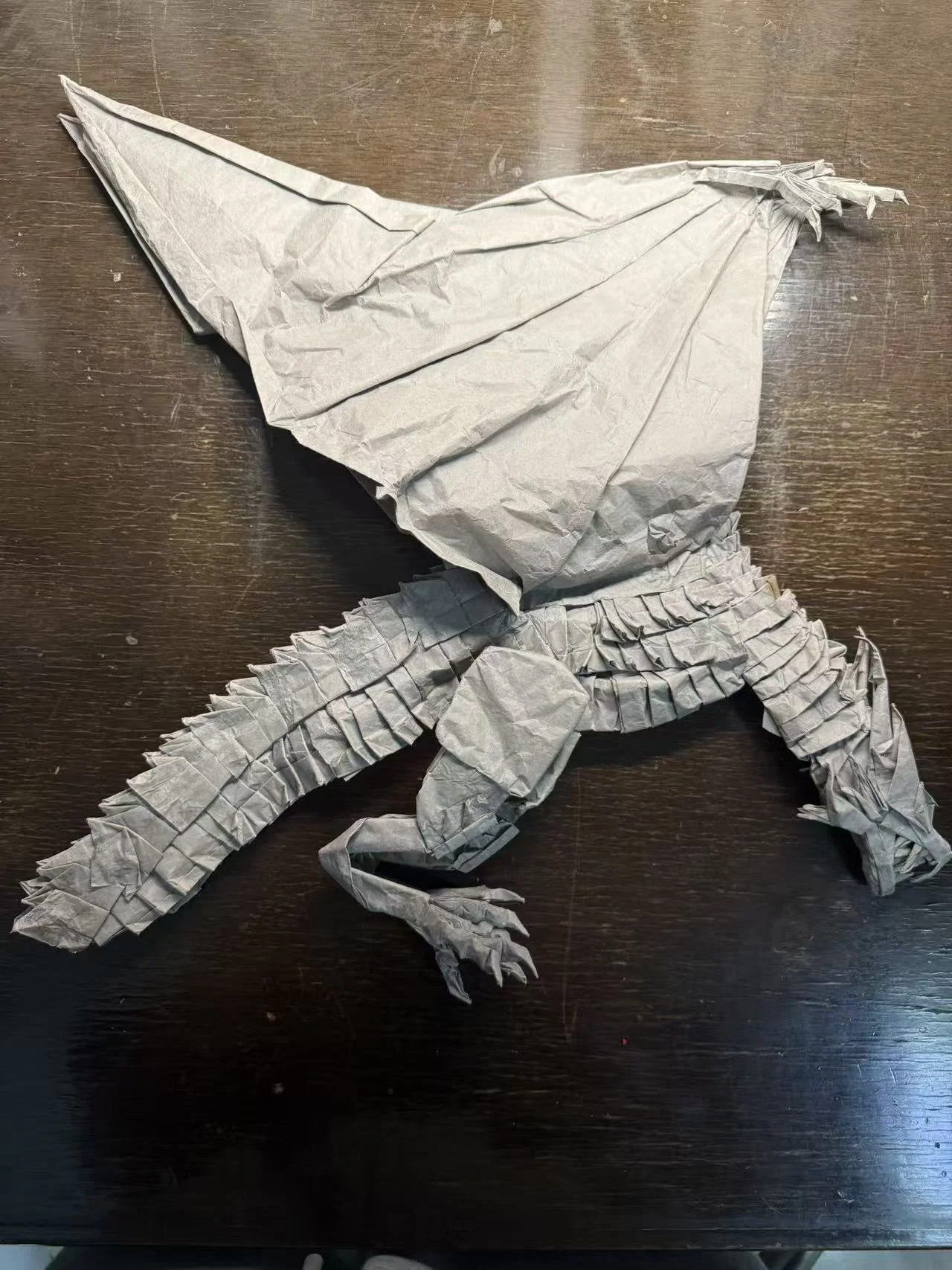
Dragon
Paper Dimensions:
40×5cm*5cm, 12× 20cm×20cm, 7×40cm*40cm, 10×15cm×15cm, 2×50cm×50cm,
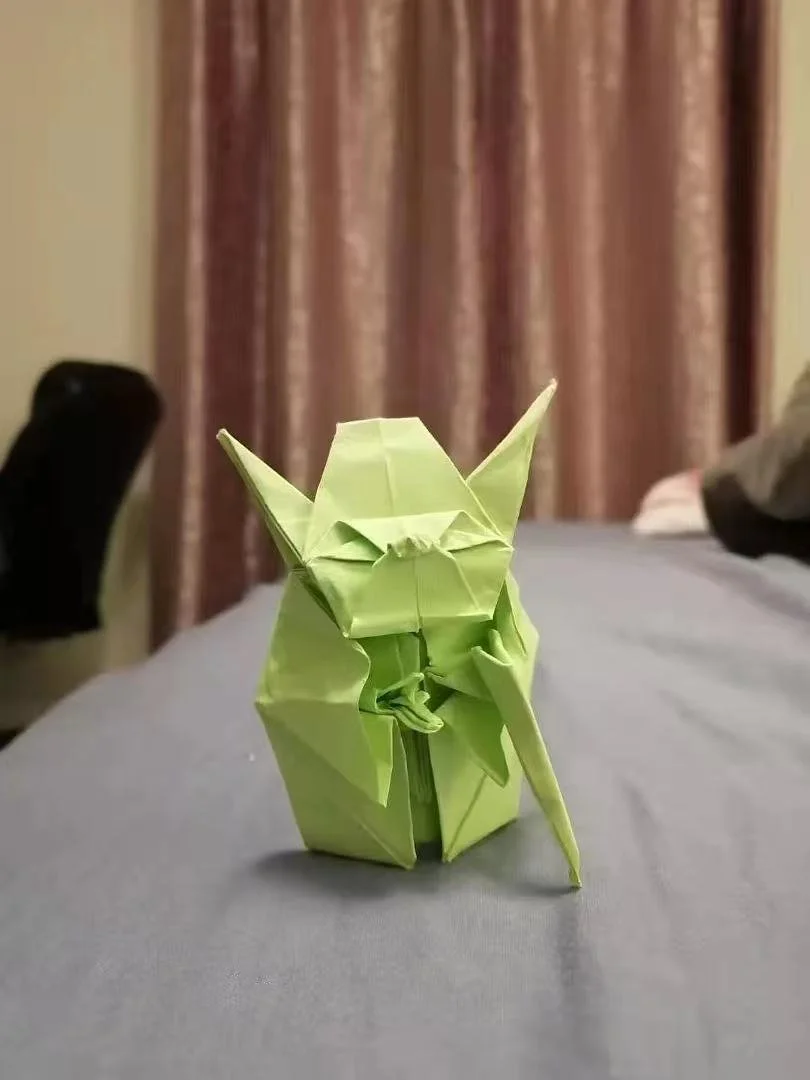
Master Yoda
Paper Dimensions 45 × 45cm
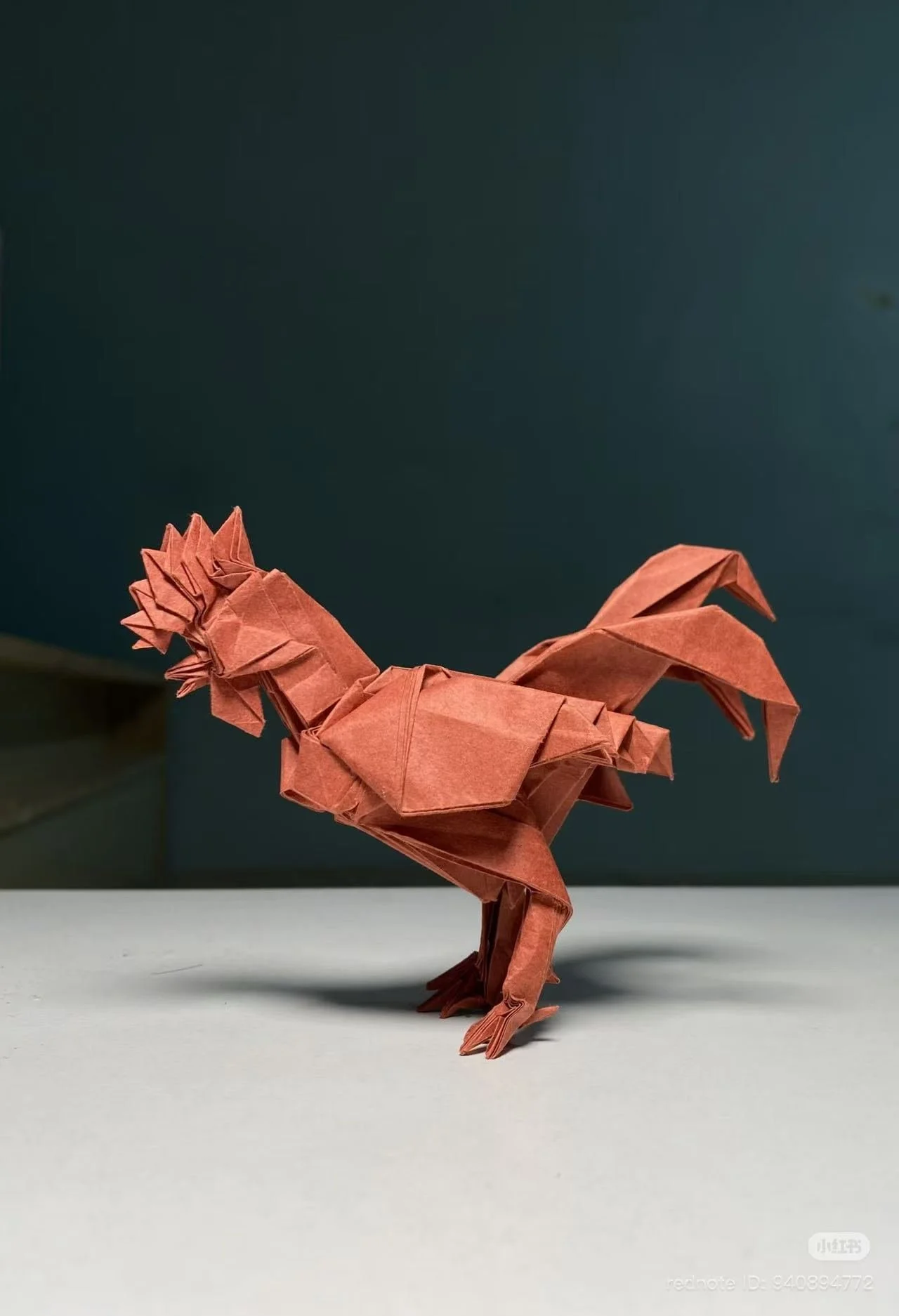
Rooster
Paper Dimensions 60 × 60 cm
Going the Extra Step
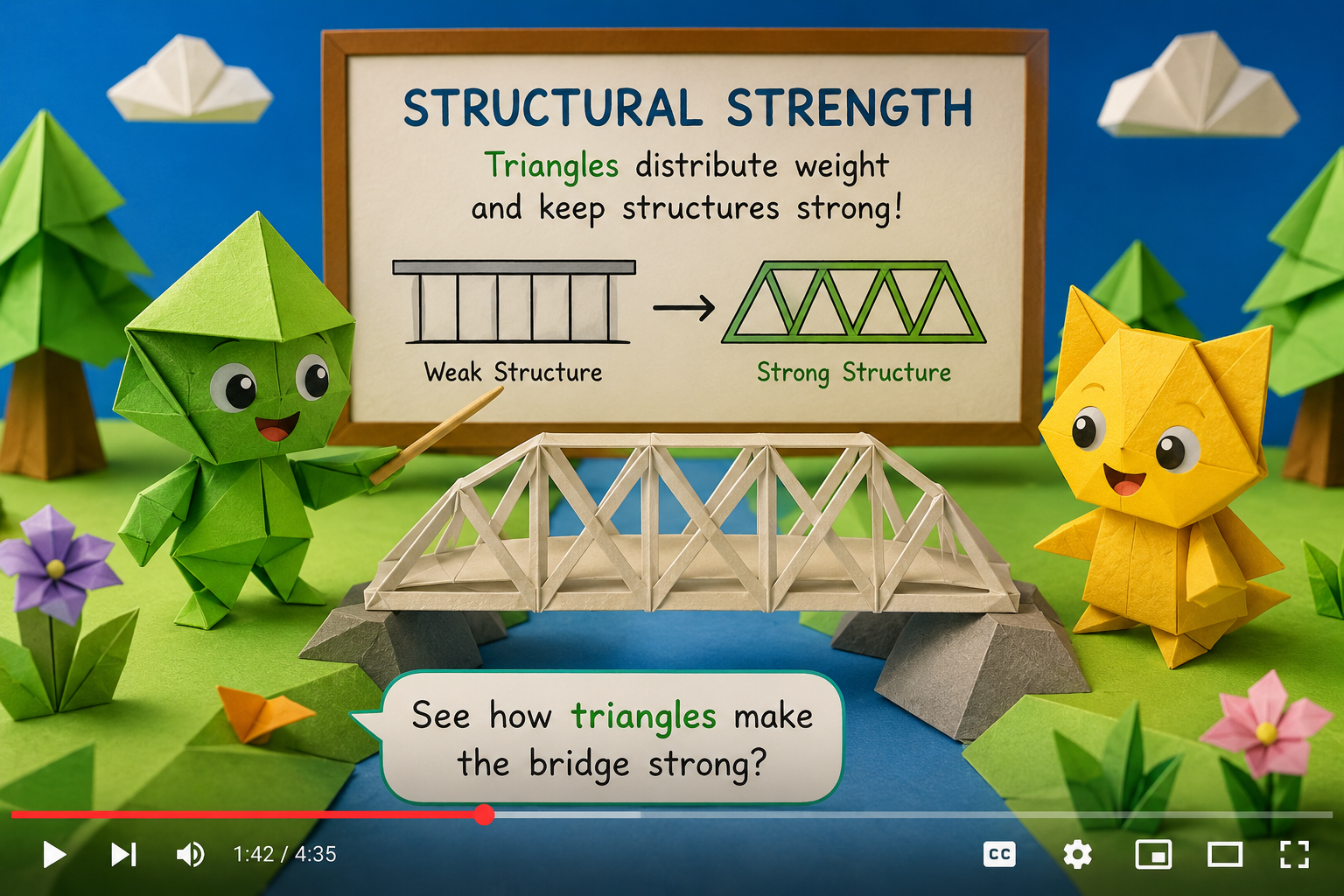
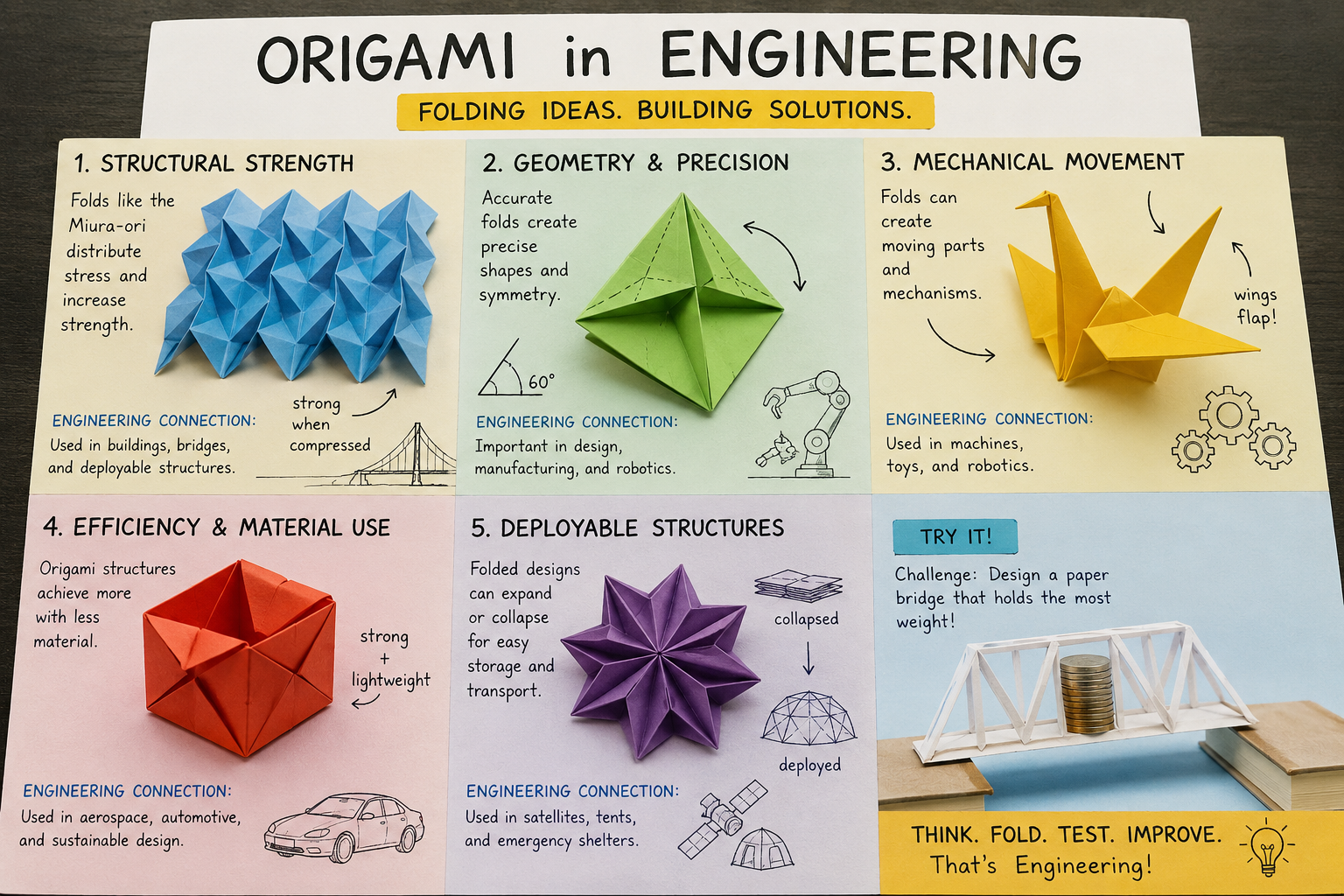
What began as a side hobby has evolved into something more. Inspired by the intersection between origami and engineering, I founded an initiative dedicated to bringing STEM education to students in migrant worker schools through the art of paper folding.
Through a self-developed “From Paper to Structure” curriculum and an animated educational series, I transformed concepts in geometry and mechanics into accessible, hands-on projects, hoping to show younger students that complex ideas can begin with something as simple as a single sheet of paper.